Terms explained
Injurious affection: claiming when no land is taken
Injurious affection is the legal term for a reduction in the value of land caused by public works — either by works built on land acquired from you, or by works that never touched your land at all. It is compensation for what the scheme has done to your property’s value, not for the land itself.
Why the term causes confusion
Three different statutes deal with devaluation, and which one applies turns on a single question: was any land taken from you? Owners often reach for the wrong one, conclude they have no claim, and stop. The table below is the whole map.
The three routes
Land was taken from you
Compulsory Purchase Act 1965, section 7
Where part of your land is acquired, you are paid for the land itself and, separately, for the loss in value of the land you keep — including loss caused by the works the authority will build on what it bought. This is severance and injurious affection, claimed as one package with the purchase price.
No land taken — the construction of the works
Compulsory Purchase Act 1965, section 10
Where nothing was acquired from you but the physical execution of the works interferes with a right you enjoy over land, a section 10 claim may arise. It is a narrow route: the interference must be something that would have been actionable at law but for the statutory powers.
No land taken — the use of the works
Land Compensation Act 1973, Part 1
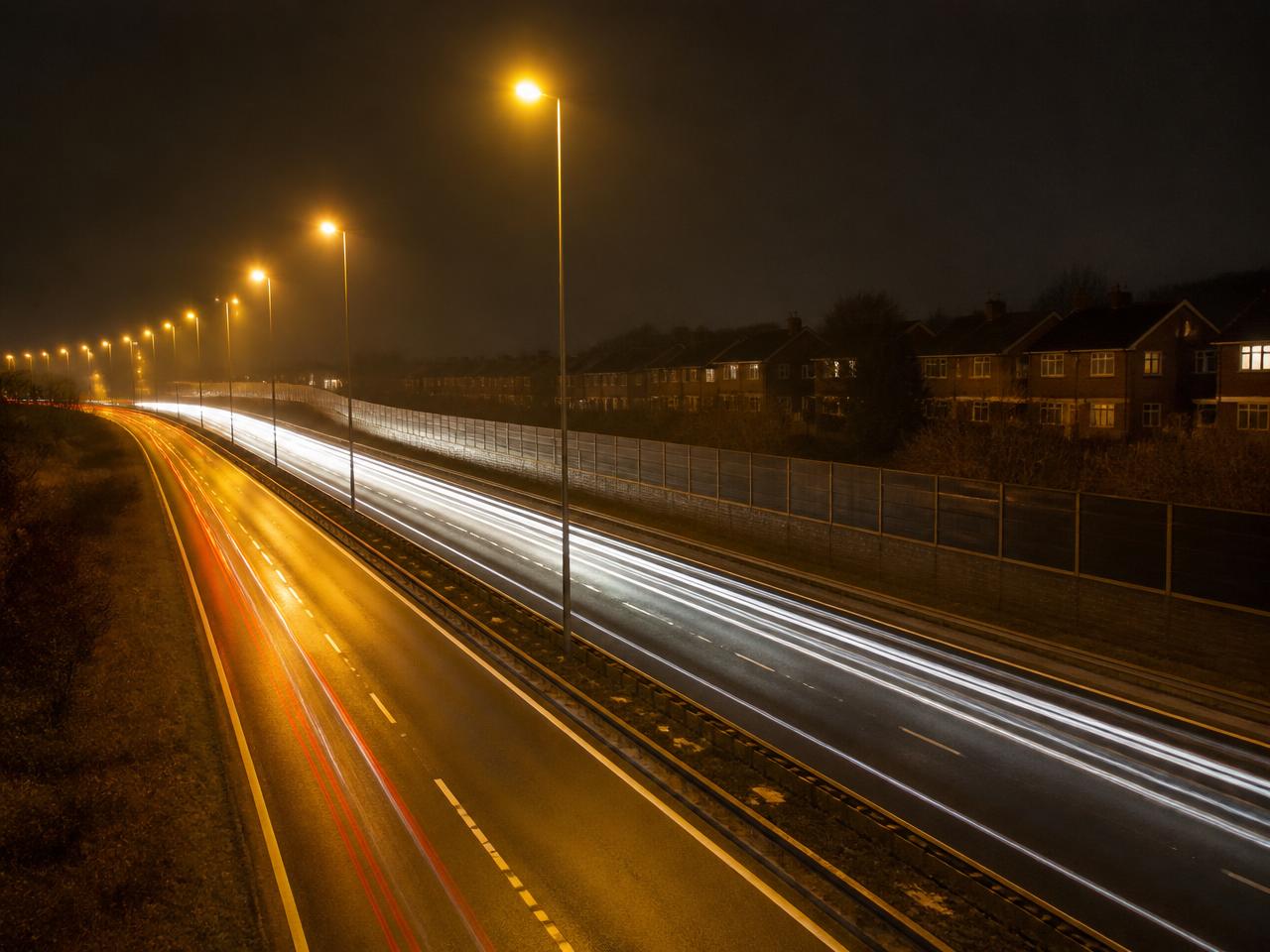
Where nothing was acquired and it is the use of the finished works that has cost you value — traffic noise, vibration, fumes, floodlighting — Part 1 is the route. It was created in 1973 precisely because the older sections left these owners with no remedy at all. For homeowners near a new road, railway, tramway or airport, this is almost always the claim that matters.
What is compensated, and what is not
Under Part 1 the loss must be caused by one or more of seven physical factors: noise, vibration, smell, fumes, smoke, artificial lighting, and the discharge of any solid or liquid substance onto the land. Compensation is the difference between what your property would be worth without the scheme and what it is worth with it.
Loss of a view, loss of privacy, disturbance while the works were being built, and anxiety about future phases are not compensated under Part 1, however real they feel.
Timing
A Part 1 claim cannot be made until the works have been in use for twelve months. That date is the first claim day, values are assessed as at that date, and claims should be submitted within six years of it. Section 7 and section 10 claims run to their own timetables tied to the acquisition.
Who pays for the work
The acquiring authority pays the compensation and reimburses the reasonable professional fees of preparing the claim, with surveyor fees normally agreed by reference to Ryde’s Scale. There is nothing to pay up front and nothing to pay if the claim does not succeed.