The Act, explained
What is a Part 1 claim?
A Part 1 claim is a claim for money to make up for the fall in your property's value caused by the use of new or altered public works. It takes its name from Part 1 of the Land Compensation Act 1973, which created the right for owners who lose value but lose no land.
Why the right exists
Before 1973, if a motorway was built through your neighbour's field the neighbour was paid for the land taken, but you received nothing even though your home now sat beside six lanes of traffic. Part 1 closed that gap. It recognises that living with the noise, fumes and lighting of a public scheme reduces what a buyer will pay, and that the public body benefiting from the scheme should meet that cost.
What you are claiming for
The claim is for depreciation — the difference between the open-market value of your property in a world without the new works, and its value with them. It is not a claim for repairs, disturbance during construction, loss of a view, or loss of privacy.
The loss must be caused by one or more of the seven physical factors named in the Act: noise, vibration, smell, fumes, smoke, artificial lighting, and the discharge of any solid or liquid substance onto the land. Noise from traffic is by far the most common.
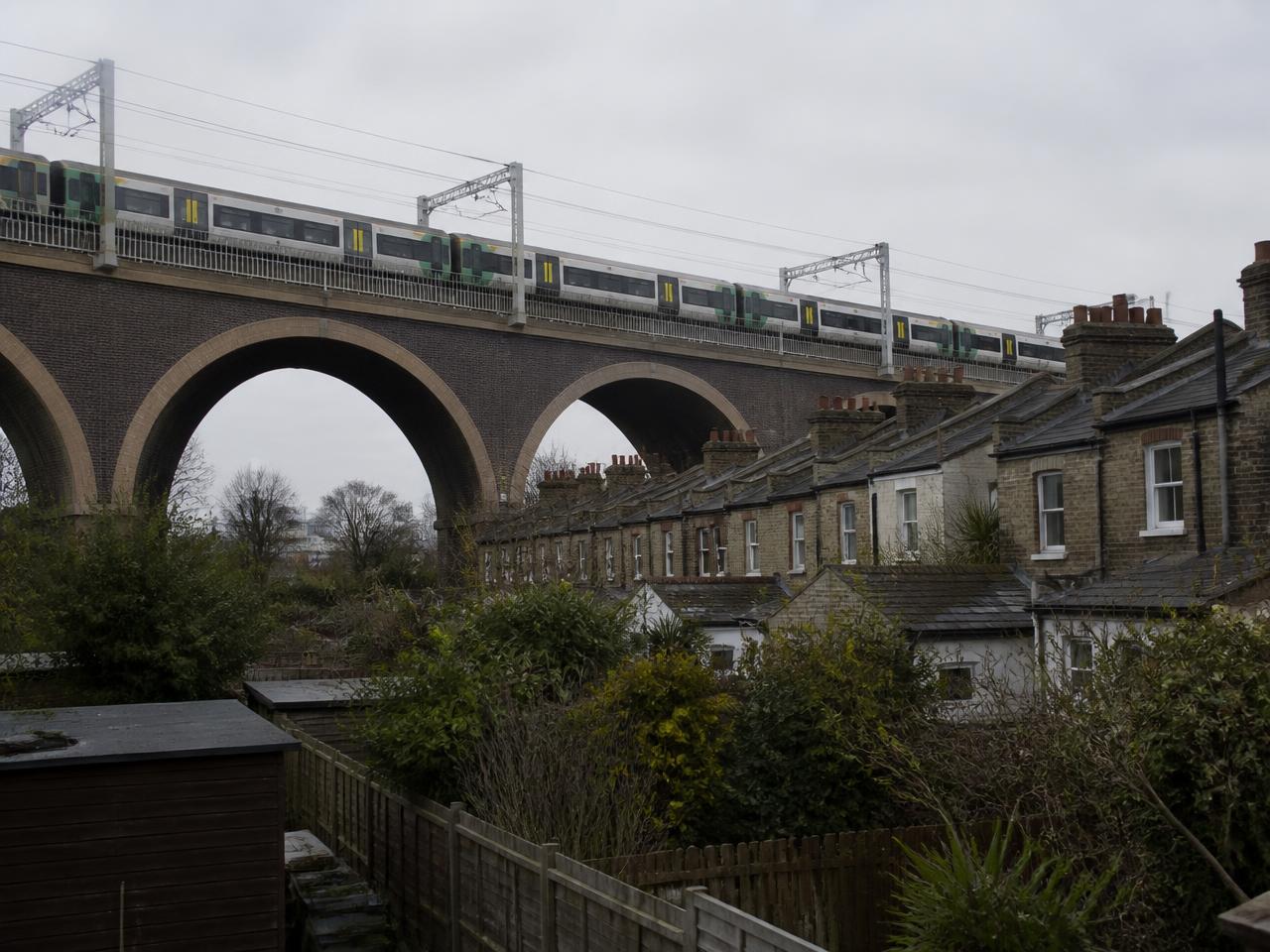
Who can claim
- Owner-occupiers of a house, flat or bungalow, including leaseholders with at least three years left to run.
- Owners of agricultural units and of small business premises within rateable limits.
- You must have held your interest, and the works must have been in use, before the first claim day.
Tenants on short lets and people who bought after the works opened normally cannot claim, because the price they paid already reflected the scheme.
The one-year rule and the first claim day
A claim cannot be made until the works have been in use for twelve months. That date is the first claim day, and compensation is assessed on values as at that date. Claims should be submitted within six years of it.
How the figure is reached
A RICS surveyor inspects the property, records the physical factors, and values the property twice: once ignoring the scheme, once taking it into account. Evidence comes from comparable sales, noise and traffic data, and the authority's own scheme documents. Claims are usually settled by negotiation with the authority's valuer; the Upper Tribunal (Lands Chamber) decides the rare cases that cannot be agreed.
Who pays
The compensating authority — National Highways, Network Rail, an airport operator, or the relevant council — pays the compensation, plus interest from the first claim day, plus the reasonable professional fees of preparing the claim.